Knowledge is power. The more you understand, the stronger your position when dealing with your lender. Everything here is free.
Loss mitigation, forbearance, common assistance programs and options — written in plain English.
Download Free PDFThis guide walks you through what happens when you miss payments, what your servicer is required to do, and what questions to ask — so you never get caught off guard.
Each resource is written for homeowners navigating payment concerns, missed payments, or foreclosure pressure.

Modification, forbearance, repayment plans and reinstatement — explained clearly.
Read More →Federal mortgage-servicing rules generally require acknowledgment of certain loss-mitigation applications within five business days, subject to applicable requirements.

Read More →What reinstatement means, how to calculate the amount owed, and how to request it from your servicer.

Read More →A complete list of what your lender typically needs to review your loss mitigation application.

Read More →
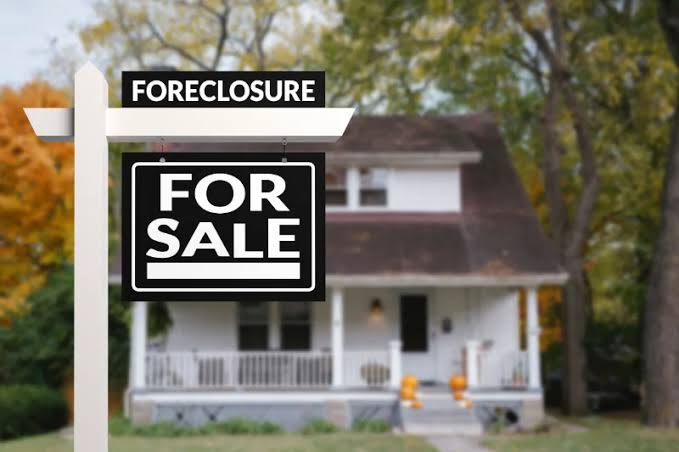
What happens at 30, 60, 90, 120 days — and how much time you actually have before a sale.
Read More →Practical tips for prioritizing bills, communicating with creditors, and protecting your credit score.

Read More →Free counseling from HUD-approved agencies — how to find one and what they can help with.

Read More →A plain-English glossary of terms your lender uses — forbearance, reinstatement, NOD, and more.

Read More →Understanding these terms puts you in a stronger position when talking to your servicer.
A temporary agreement with your servicer to pause or reduce monthly payments. How missed amounts are repaid depends on your loan, servicer, and available program.
A permanent change to your original loan terms — such as a lower interest rate, extended term, or capitalized arrears — to make payments affordable.
Paying all past-due amounts (missed payments + fees) in a single lump sum to bring your loan fully current.
The process by which your servicer evaluates options that may help you avoid foreclosure.
A formal notice filed by your lender indicating you are in default. This is typically the first step in the foreclosure process.
The company that collects your mortgage payments. Your servicer may be different from the lender who originally issued your loan.
The Real Estate Settlement Procedures Act — federal law that governs how servicers must handle loss mitigation requests and borrower communications.
An agreement to catch up on missed payments over time by paying extra each month on top of your regular payment — typically over 3–12 months.
Some servicer, government, state, local, or nonprofit programs may provide assistance to eligible homeowners. Funding is limited, eligibility varies, and Mortgage-Assist.com does not award government grants.
An arrangement in which eligible missed payments may be addressed later, sometimes at loan maturity or through another approved repayment arrangement. It is not automatic and terms vary by loan and servicer.
A HELOC or home-equity loan may let qualified homeowners borrow against available equity. It is new debt secured by the home, not a grant, and may not fit every situation.
Under federal law (RESPA), your mortgage servicer must follow specific rules when you fall behind. Most homeowners don't know these rights exist.
Federal mortgage-servicing rules generally require acknowledgment of certain loss-mitigation applications within five business days, subject to applicable requirements.
Federal mortgage-servicing rules generally require servicers to evaluate certain complete loss mitigation applications within 30 days, subject to applicable requirements.
Federal mortgage-servicing rules may restrict certain foreclosure actions when a complete loss mitigation application is submitted within applicable timeframes.
In certain circumstances, borrowers may have a right to appeal a servicer's loss mitigation decision. Applicable deadlines and eligibility requirements vary.
Federal mortgage-servicing rules generally require servicers to establish or make good-faith efforts to establish live contact with delinquent borrowers within applicable timeframes, subject to the rules and exceptions.
You have the right to seek free assistance from a HUD-approved housing counselor at any point in the process.